“And when you fast, do not look
dismal, like the hypocrites.” St.
Matthew 6:16
When I was a junior in college, I spent my
spring semester studying Greek and Byzantine history in Athens. One of things about my time that I remember
most vividly was the way that the Greeks celebrated this particular season, the
days right around the beginning of Lent.
A time of feasting and celebration led up to the beginning of Lent,
which comes on a Monday for the Orthodox.
I went to a costume ball, and spent two days in an island village where
the natives dressed in goatskins and danced in the streets to celebrate the Carnival. The wine flowed. Meat was grilled out in the streets, as the
butchers worked to empty their shops before the fast began.
And then, on Clean Monday, as they call the
first day of Lent there, everything changed.
The simple café where we took most of our meals switched over to Lenten
fare: fish roe salad, bean soup and big blocks of sesame-seed cake. On the afternoon of Clean Monday, in the big
park by the ruins of the ancient temple of Olympian Zeus, the skies were filled
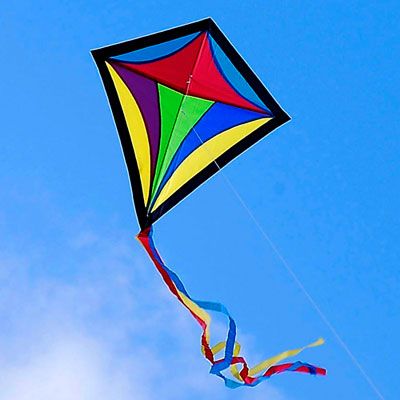
with color. The Greeks fly kites on the
first day of Lent, kites of all shapes and colors, kites shaped like birds and
flowers and dragons, some with streamers blazing.
The beginning of Lent is a kind of
celebration for them, because with its disciplines comes an opportunity for the
renewal of the soul. In Lent, one of my
Greek friends told me, the fasting helps our souls rise up like the kites, we
can soar, free from our sins. An
antiphon from the Orthodox liturgy of the week before Lent expresses the
kind of joy in the fast that the kite flying shows so boldly: “The springtime of the Fast has dawned,” it says, “the
flower of repentance has begun to open.”[1]
